Sustainable and eco-friendly rugs are becoming increasingly popular as global buyers look for environmentally responsible home décor products. Rugs from India are highly valued in the international market because they combine centuries-old craftsmanship with modern sustainable practices. Many artisans create handmade rugs using natural fibres such as wool, cotton, jute, and hemp, which makes these rugs biodegradable and eco-friendly.
India has a long history of rug weaving, and today it remains one of the world’s leading exporters. A reliable rug manufacturer in India often focuses on ethical labor practices, low-impact dyeing processes, and traditional hand-weaving methods that reduce environmental impact. These factors make sustainable rugs from India an excellent choice for environmentally conscious buyers.
Table of Contents
ToggleWhy Sustainable Rugs Are Becoming Popular Worldwide
In recent years, sustainability has become more than just a trend; it has become a responsibility. More and more homeowners, interior designers, and retailers across the world are actively looking for products that are environmentally friendly. Naturally, this growing awareness has also influenced the home décor industry.
Rugs are one of the most important elements in interior design. They add warmth, comfort, and personality to any space. However, traditional mass-produced rugs often involve synthetic materials and energy-intensive manufacturing processes. As a result, many buyers are now turning to sustainable rugs that are crafted using eco-friendly materials and ethical production methods.
The Rich Heritage Behind Rugs from India
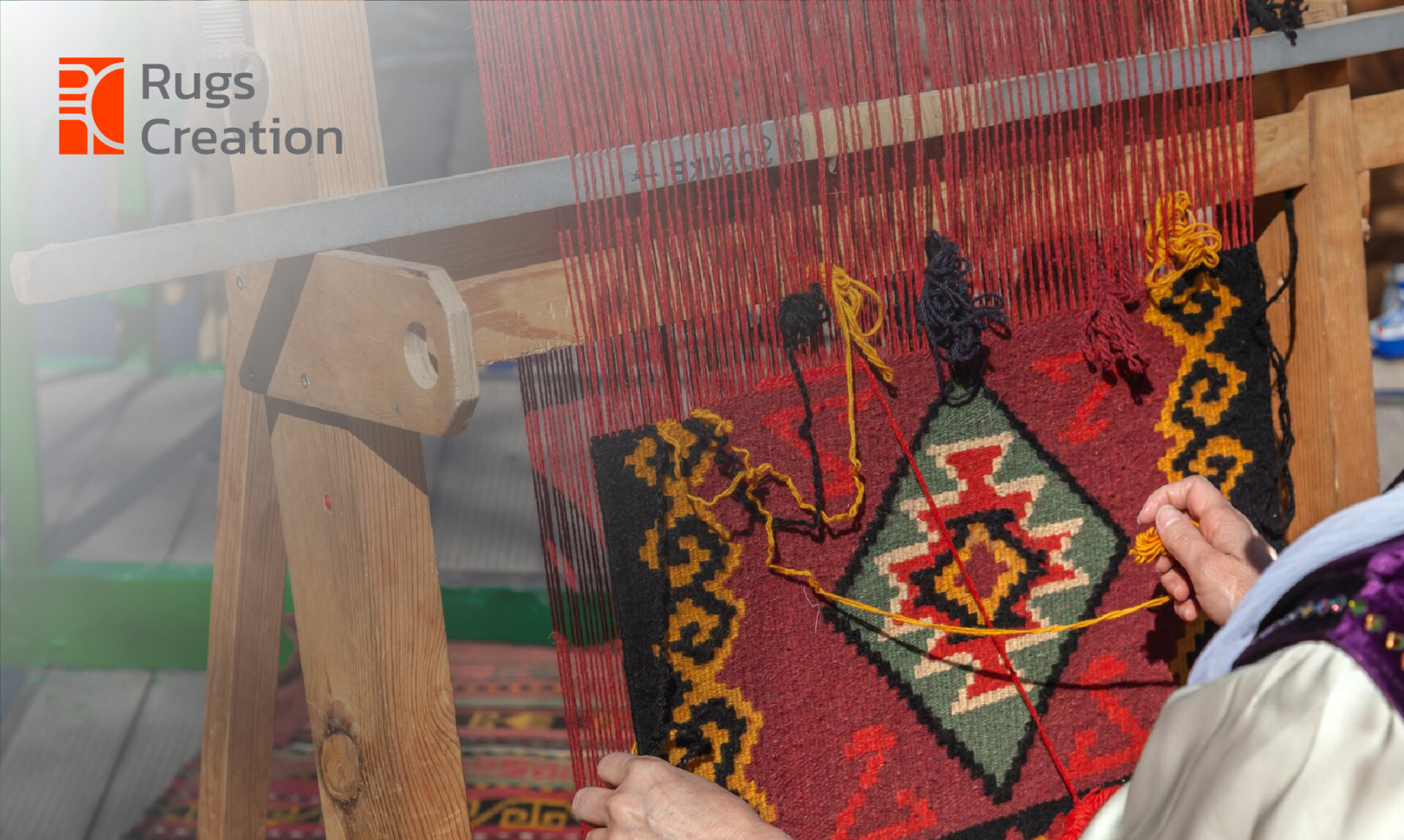
Before diving into sustainability, it’s important to understand the cultural heritage behind Rugs from India. India has a rug-making tradition that stretches back hundreds of years, flourishing during the Mughal era when skilled artisans created intricate hand-knotted carpets inspired by Persian designs. Over time, the craft evolved into a thriving industry that blends traditional artistry with modern design.
Today, India is one of the largest exporters of rugs in the world, producing a wide variety, including hand-knotted rugs, hand-tufted rugs, flat-weave rugs such as dhurries, shaggy rugs, and natural fiber rugs. What makes these rugs truly special is that many are still made by skilled artisans using traditional hand-weaving techniques. As a result, handmade rugs from India carry a unique character that machine-made alternatives cannot replicate. Moreover, many manufacturers now focus on sustainable production methods to meet the growing demand from international markets.
What Makes a Rug Sustainable?
At this point, you might be wondering, what exactly makes a rug sustainable? Simply put, Sustainable rugs are produced in ways that minimise environmental impact while supporting ethical labor practices. Several factors contribute to the sustainability of a rug.
First, natural materials play a huge role. Eco-friendly rugs are typically made from fibers such as wool, cotton, jute, hemp, or bamboo silk. These materials are biodegradable and renewable, which makes them much better for the environment compared to synthetic fibers like polyester or nylon.
Second, sustainable rug production often uses low-impact dyeing methods. Traditional rug makers in India frequently employ vegetable dyes and other eco-friendly processes, which help reduce water pollution and chemical waste.
Third, many handmade rugs are crafted on looms without heavy machinery, keeping energy consumption low. Finally, sustainability also includes social responsibility. Reputable Rugs Manufactuere in India ensure fair wages and safe working conditions for artisans. Because of these practices, eco-friendly rugs from India align perfectly with the values of environmentally conscious buyers.
Why International Buyers Prefer Rugs from Indi
When it comes to sourcing eco-friendly rugs, international buyers consistently choose India. There are several reasons behind this preference.
First, Indian artisans possess exceptional craftsmanship. Many families have passed down weaving techniques for generations, so buyers can expect superior quality in handmade rugs produced in India.
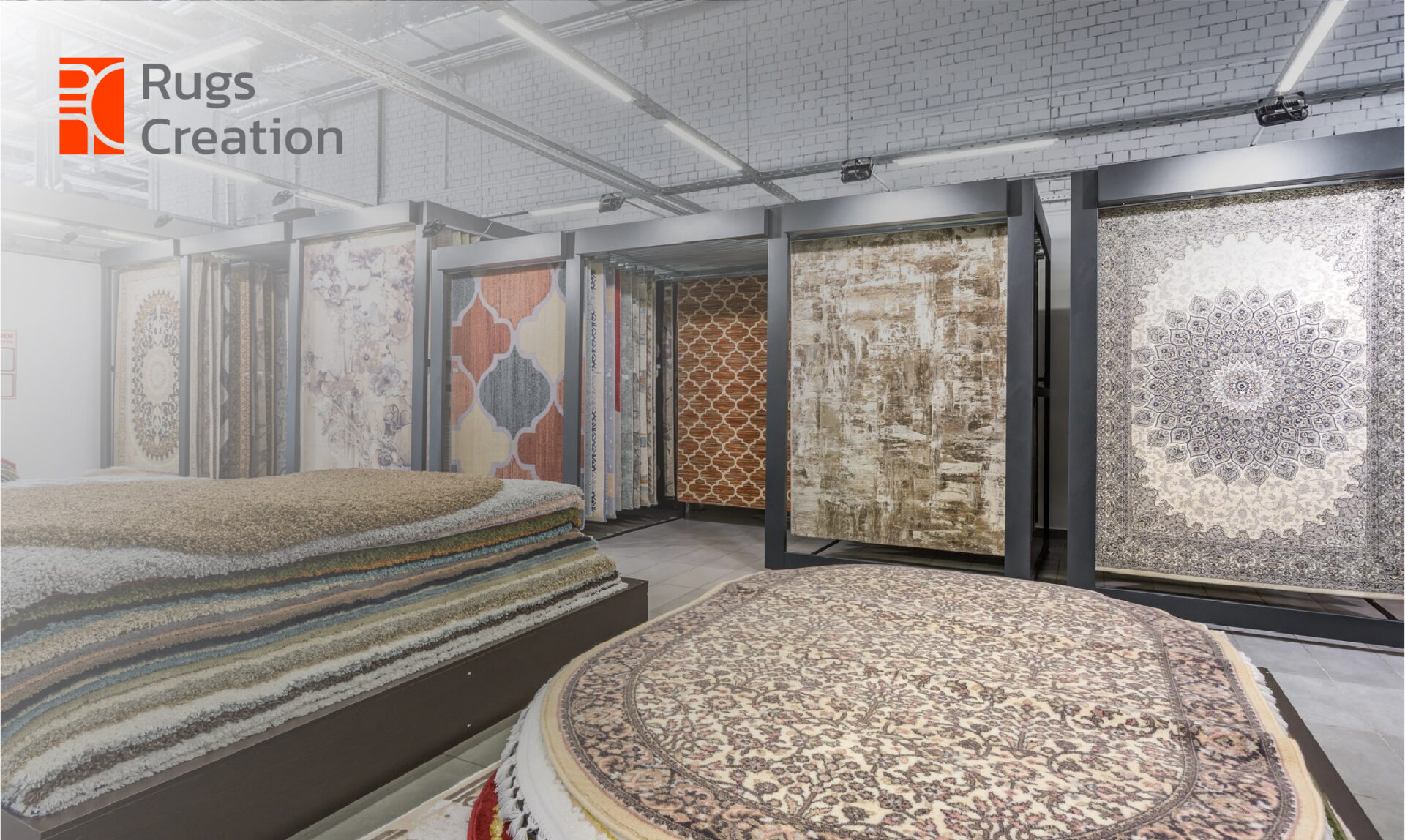
Second, the variety of designs is remarkable. Indian manufacturers offer a wide range, from modern minimalist rugs to traditional Persian-style carpets, contemporary geometric patterns, and bohemian flat-weaves. This diversity allows international buyers to find rugs that suit different interior styles.
Third, competitive pricing makes Rugs from India very attractive. Despite the high level of craftsmanship, Indian rugs are often more affordable than those from many other countries, appealing to retailers, wholesalers, and interior designers worldwide.
Finally, India has a strong export infrastructure. Many experienced Rugs Manufactuere in India work directly with global retailers and understand international quality standards, packaging requirements, and logistics processes.
Popular Types of Sustainable Handmade Rugs
If you’re new to the rug industry, the variety might feel overwhelming. However, understanding a few key types of rugs can make the buying decision easier.
Hand-knotted rugs are considered the most premium type of handmade rugs. Artisans tie thousands or even millions of knots by hand to create intricate patterns, making these rugs extremely durable and long-lasting.
Hand-tufted rugs are another popular choice. Produced using a tufting gun that pushes yarn into a fabric base, they are faster to make than hand-knotted rugs but still retain the charm of handmade craftsmanship. Many sustainable rugs fall into this category because they use natural fibers and eco-friendly adhesives.
Flat-weave rugs, such as dhurries, are lightweight, reversible, and often made from cotton or wool with minimal processing. Due to their simple weaving technique, they are among the most environmentally friendly options available.
Finally, natural fibre rugs made from jute, hemp, or sisal are gaining popularity in sustainable interior design. These fibres grow quickly, require fewer chemicals during cultivation, and are perfect for eco-conscious buyers.
How to Choose the Right Rugs Manufacturer in India
Selecting the right rug manufacturer in India is crucial for international buyers. First, check reviewing the product portfolio is also essential. A reliable manufacturer should offer a wide range of rugs from India in different styles, materials, and sizes. Additionally, ask about options, especially if you require unique designs or specific sizes.
Finally, consider production capacity. If you plan to scale your business, ensure the manufacturer can handle large orders without compromising quality.
The Future of Sustainable Rugs in the Global Market
Looking ahead, the demand for eco-friendly home décor products will continue to grow. Consumers worldwide are becoming more conscious of their environmental footprint, and sustainable interior design is quickly becoming the new standard.
This shift creates huge opportunities for both buyers and manufacturers. India, with its centuries of rug-making expertise, is well positioned to lead the global sustainable rug market. Many rug manufacturers in India are investing in eco-friendly materials, renewable energy, and responsible supply chains. Consequently, international buyers partnering with Indian manufacturers can access beautiful, high-quality, sustainable rugs while supporting ethical craftsmanship.
Final Thoughts
Choosing eco-friendly rugs is not just a design decision—it’s a step toward a more sustainable future.
By sourcing Rugs from India, buyers gain access to centuries-old craftsmanship, natural materials, and environmentally responsible production methods. At the same time, they support artisan communities and preserve traditional weaving skills.